By FitwellHub Team
The Hidden Crisis in Pakistan’s Healthcare System
Across Pakistan, a silent pattern unfolds daily: people feel unwell, skip their nearby clinic, and rush straight to a specialist or a major hospital — without diagnosis, referral, or proper medical guidance. This self-referral culture isn’t just a habit; it’s a crisis rooted in fear, mistrust, and lack of access to reliable primary care.
Quick Links
ToggleThis problem, known as the Self-Referral Curse, is now one of the most damaging forces in Pakistan’s healthcare ecosystem. When patients avoid general physicians and rely on self-medication, their costs increase five to fifteen times — and medical risks grow even faster.
FitwellHub realized this wasn’t simply a technology problem — it was a structural failure. So instead of building “just another app,” we rebuilt the system from the ground up.
This blog explains how FitwellHub is transforming healthcare, restoring trust in primary care, and building a model Pakistan desperately needs.
1. Rebuilding Trust: The Hybrid Hub-and-Spoke Care Network
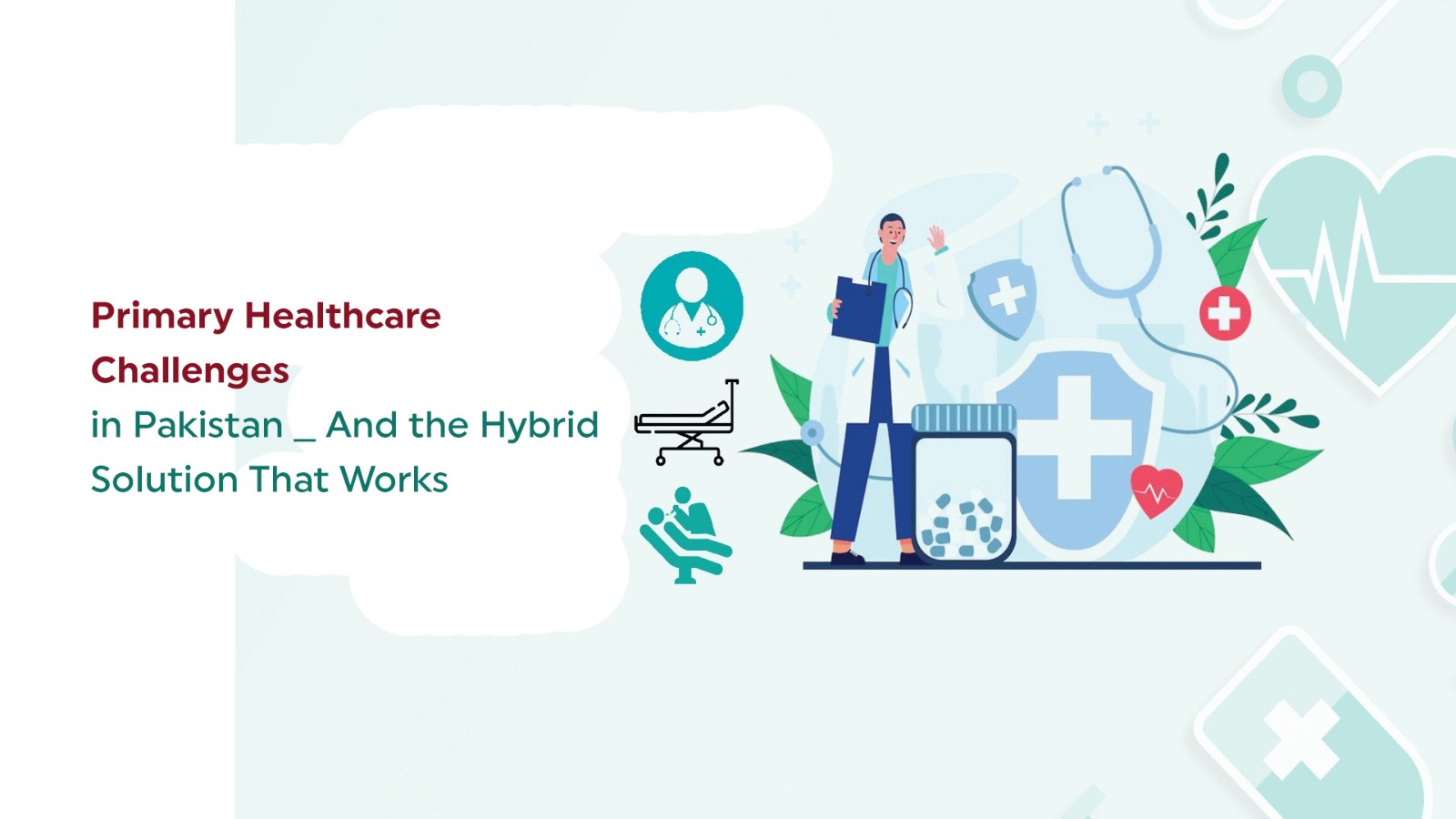
Many Pakistanis still believe hospitals equal “quality care,” which pushes them to skip local clinics entirely. To break this cycle, FitwellHub designed a modern Hybrid Care Network using the Hub-and-Spoke model.
The Spokes: Care Within Community Reach
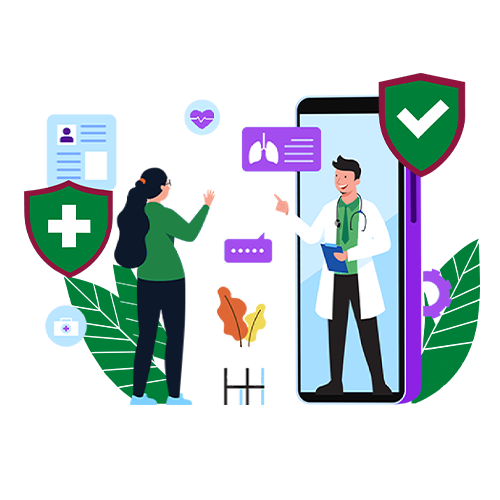
FitwellHub establishes standardized neighborhood clinics and smart digital telehealth points (ASK & ASAP kiosks). These provide:
- Certified GP consultations
- Rapid diagnostics
- Affordable preventive care
- Reliable first-step medical guidance
Patients finally get trusted medical support close to their homes.
The Hubs: Where Advanced Care Belongs
Specialists and hospitals act as Hubs, receiving only the cases that truly require advanced expertise.
Routine cases — nearly 80% — are handled by the Spokes.
The Result
Primary care becomes the natural first stop, and hospitals focus on complex patients instead of routine crowding.
2. Eliminating Chaos: The H.E.A.LT.H. Digital Platform
Lost prescriptions. Missing reports. Repeated testing. Conflicting diagnoses.
This fragmentation makes patients distrust referrals — and pushes them toward self-referral.
FitwellHub’s H.E.A.LT.H. Platform solves this permanently.
A Unified Electronic Health Record for Every Patient
Every patient receives a secure Electronic Health Record that moves with them:
- GP clinic → kiosk → hospital
- Doctors see full history instantly
- No confusion, no missing files, no repeated lab tests
A Smart Referral System Patients Can Trust
- Automatic appointment booking with specialists
- Medical files transferred digitally
- Progress tracked across the entire care journey
The Result
Patients trust the system again. No paperwork. No repeated diagnostics. No self-referral loopholes.
3. Making Healthcare Affordable: HealthPay
One of the biggest reasons Pakistanis avoid doctors? Cost.
Many self-medicate because they fear high consultation and diagnostic fees — but this leads to severe complications later.
HealthPay Changes the Entire Equation
With the H.E.A.LT.H. Raast/Visa Card, members enjoy:
- Low-cost or unlimited GP consultations
- Reduced diagnostic expenses
- Affordable preventive screening packages
The Result
Primary care becomes the cheapest and safest option, preventing emergencies and financial strain.
4. The Bigger Picture: Pakistan’s Healthcare Collapse
Pakistan’s healthcare system is crumbling under two major burdens:
1. The Affordability Crisis
- Public health spending: 1.2–1.4% of GDP (WHO recommends 5%)
- Out-of-pocket payments: 51.9–58% (global average: 15%)
- Poverty impact: 10 million people pushed into poverty due to medical costs
- Private sector dominance: 85% of total health expenditure occurs privately
Families bear the entire financial burden — often with devastating consequences.
2. The Accessibility Crisis
Your access to healthcare depends on where you live.
- Urban doctor availability: 14.5 doctors per 10,000 population
- Rural doctor availability: only 3.6 per 10,000
- BHU access: Only 15.4% live near a Basic Health Unit
- RHC access: Just 5.4% live near a Rural Health Centre
- Equipment issues: 14% of essential machines in Punjab primary units were non-functional
Hospitals remain crowded because communities lack functional primary care.
The Blueprint for a Healthier Pakistan
Pakistan can reverse these failures with strategic interventions:
1. Strengthen Primary Care Nationwide
Shift from expensive emergency treatment to preventive, continuous GP-led care.
2. Use the Hub-and-Spoke Hybrid System
Connect rural clinics to urban specialists using telemedicine — closing the rural-urban doctor gap.
3. Create a Unified Patient Record System
Integrate all providers under one digital record to eliminate medical errors and fragmentation.